
Breakfast & Brunch
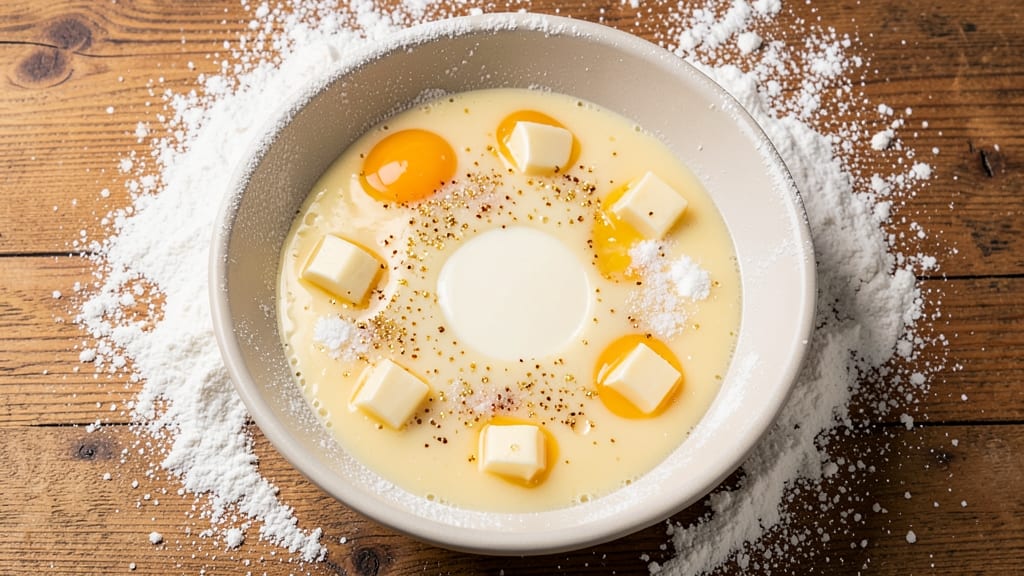
Adding egg to bread transforms ordinary loaves into richer, more tender masterpieces with minimal extra effort. This technique—used in everything from brioche to dinner rolls—adds moisture, structure, and that irresistible golden crust without complicating the process.
The key lies in balancing egg quantity with proper kneading and proofing, ensuring a lighter crumb and longer freshness. Perfect for home bakers who want restaurant-quality texture without advanced skills.
What makes this method work is the egg’s natural emulsifying properties, which create tiny air pockets during kneading and proofing. A single egg per pound of flour (about 1 large egg for a standard loaf) makes a noticeable difference in tenderness and browning.
The protein also helps stabilize gluten development, resulting in a more elastic dough that holds its shape beautifully. This is especially valuable for recipes where a soft, pillowy texture is desired—think cinnamon rolls or brioche.
By incorporating eggs, you’ll achieve a bread with a velvety interior, crisp golden crust, and improved oven spring. The technique works equally well for sweet and savory loaves, making it versatile for breakfast pastries or dinner rolls.
The enriched dough also stays fresh longer, resisting staling better than standard bread. Whether you’re baking for a family gathering or simply elevating your weekly loaf, this method delivers professional results with basic adjustments.
The process requires no special equipment—just a few extra minutes of mixing and careful proofing. We’ll cover exact ratios, kneading techniques, and proofing times to ensure your bread rises perfectly every time.
For those new to enriched doughs, don’t worry: the principles are the same as classic breadmaking, just with an added boost of richness. Let’s get started on creating bread that’s worth the extra effort.
Ingredients for adding egg to bread
Twelve essential ingredients transform basic bread into restaurant-quality masterpieces with velvety crumb and golden crust.
| Ingredient | Amount | Notes |
|---|---|---|
| Large Eggs 🥚 | 2 whole | Room temperature for even distribution |
| All-Purpose Flour 🌾 | 4 cups | Bread flour preferred for better structure |
| Granulated Sugar 🍚 | ¼ cup | Adjust for sweetness preference |
| Unsalted Butter 🧈 | ½ cup | Cold, cubed for easier incorporation |
| Instant Yeast 🍞 | 2 tsps | Single-use packet preferred |
| Whole Milk 🥛 | ½ cup | Warmed to 110°F for yeast activation |
| Diamond Crystal Kosher Salt 🧂 | 1 ½ tsps | Adjust to taste after kneading |
| Granulated White Sugar 🍚 | 1 tbsp | For dough enrichment |
| Vegetable Oil 🫒 | 2 tbsps | For pan greasing |
| Cornmeal 🌽 | ¼ cup | For dusting proofing basket |
| Water 💧 | ½ cup | Room temperature for hydration |
| Fresh Milk 🥛 | 1 tbsp | For egg wash enrichment |
The eggs are your game-changers here—room temperature ensures even distribution throughout the dough. For optimal results, use large, fresh eggs from the middle of the carton (they're at peak freshness). The bread flour is crucial for that professional structure, though all-purpose works in a pinch. If you're baking brioche or sweet loaves, consider King Arthur bread flour for superior gluten development. The butter should be cold and cubed—this prevents melting during kneading and creates those coveted air pockets. For the yeast, Saf-Instant is my go-to as it activates immediately without proofing time, but standard active dry yeast works if you're willing to proof it first.
No bread flour? All-purpose plus 1 tbsp vital wheat gluten mimics its structure. Running short on butter? Vegetable shortening maintains the same texture, though with less flavor. The milk can be swapped for warm water plus 1 tbsp melted butter if dairy-free is needed. For a richer dough, add 1 tbsp honey to the sugar mixture. If your eggs are small, use 2 tbsp extra flour to compensate for the reduced protein content. The cornmeal is optional but creates a beautiful crust—white rice flour works as a substitute. For those avoiding dairy, oat milk in the wash still provides shine, though it won't brown as beautifully.
Store the enriched dough in an airtight container in the fridge for up to 24 hours before baking—this enhances flavor development. For longer storage, freeze shaped loaves wrapped in plastic for 3 months. The egg wash keeps best when refrigerated in a sealed jar for 5 days. When reheating, wrap loaves in foil and warm in a 200°F oven for 10 minutes to restore freshness. The enriched dough rises best at 75°F—use a proofing box or warm oven with the light on if your kitchen runs cold. Proofing times vary by humidity, so always check for double volume before baking.
Why You'll Love This Recipe
- Five-Ingredient Magic: I swear, this recipe is the kind of thing that makes you question why you ever baked bread from scratch before. Just toss in flour, sugar, butter, yeast, and an egg—no fancy mixers or hours of kneading. The egg gives it this unexpected richness that turns plain dough into something special without extra effort.
- Buttery Sweet Surprise: That little pat of butter and spoonful of sugar? Oh, it’s a game-changer. The bread comes out with a golden crust and a tender crumb that’s just sweet enough to make it feel like dessert—but it’s breakfast or lunch ready. Honestly, I’ve caught myself sneaking extra slices just to enjoy the flavor.
- Bakes Like a Dream: Between us, this dough rises fast with instant yeast, and it bakes in under 30 minutes. No waiting around for hours—just pop it in the oven, and you’ve got warm, fluffy bread in no time. Perfect for when you’re starving and can’t wait another second.
Step-by-step instructions for enriched bread with eggs
Here's how to incorporate eggs for a softer, richer loaf without complicating the process.
Prepare the Egg Mixture for Optimal Incorporation
In a medium bowl, whisk together the 2 whole large eggs and the 1 tablespoon granulated white sugar until fully combined and slightly frothy. This creates an enriched base that will yield a tender crumb. I like to use room-temperature eggs—they blend more smoothly into the dough and create a more uniform texture throughout.
Add the 0.5 cup whole milk to the egg mixture and whisk again until homogeneous. The warmth of the milk helps emulsify the eggs better, ensuring they distribute evenly when incorporated later. This step is critical for achieving that bakery-style softness without making the dough overly sticky or difficult to handle.
Combine Wet Ingredients with Yeast Activation
In a separate large bowl, combine the 0.5 cup unsalted butter (cubed), the 0.5 cup warmed whole milk, the 2 teaspoons instant yeast, and 1 teaspoon of the 1.5 teaspoons diamond crystal kosher salt. Mix gently to dissolve the yeast and butter. The yeast should begin activating within 5 minutes—you'll see small bubbles forming on the surface and a slightly yeasty aroma developing.
This is where the magic begins. The warm milk activates the yeast, while the butter adds richness that complements the eggs. I always use a rubber spatula for this step to scrape up any butter that might cling to the bowl. The mixture should look like a thick, slightly oily paste at this stage.
Gradually Incorporate the Egg Mixture
With the mixer on low speed, gradually add the egg-milk mixture to the butter-milk-yeast combination. This slow incorporation prevents the butter from melting too quickly and creates a smoother dough. After about 1 minute of mixing, begin adding the 4 cups all-purpose flour in two batches, mixing just until combined after each addition.
Here's the thing—you want to avoid overmixing at this stage. The goal is to form a shaggy dough that comes together when pressed, not a smooth, elastic ball. The eggs and butter create enough fat to prevent gluten overdevelopment, which would make the bread tough. If the dough feels too sticky, add the remaining 0.5 teaspoon salt and let it sit for 2 minutes before proceeding.
Knead the Enriched Dough Properly
Turn the dough out onto a lightly floured surface and knead for 5-7 minutes by hand, or use a stand mixer with a dough hook attachment for 3-4 minutes on medium speed. The dough should be smooth but slightly tacky—this is normal with an egg-enriched dough. You're looking for a windowpane test: when you stretch a small piece of dough thin enough to see light through it without tearing.
I press down gently on the dough during the first minute of kneading—this prevents it from curling and ensures even contact with the surface. The eggs add moisture that makes the dough more pliable, so it requires less aggressive kneading than traditional bread dough. If the dough feels too soft to handle, chill it for 10 minutes before shaping.
First Rise and Shaping for Optimal Texture
Lightly grease a large bowl with 1 tablespoon vegetable oil, then place the dough inside. Cover with a clean kitchen towel and let rise in a warm place (around 75°F) for 1 to 1.5 hours, or until doubled in size. The dough should spring back slowly when pressed gently—this indicates proper fermentation. The eggs help create a more stable structure during rising, preventing excessive spreading.
Punch down the dough to release air, then shape into a loaf by folding the ends toward the center and rolling tightly. For an enriched texture, I press the dough gently into a loaf pan lined with parchment paper, leaving about ½ inch headspace at the top. This allows for proper expansion without overflowing. Brush the top with the 1 tablespoon fresh milk for a tender crust.
Pro Tips For Making Adding Egg To Bread
- WARM EGGS FIRST: Cold eggs from the fridge will shock your dough—whisk them in room temperature first. I used to skip this and end up with dough that fought me every step of the way, no matter how much I kneaded.
- WEIGH YOUR FLOUR: Scooping flour leads to inconsistency. Use a kitchen scale for 450g—pack it lightly but don’t tap the bowl. My first batch was dense because I eyeballed it, and the texture never recovered.
- DON’T OVERMIX THE DOUGH: Once the egg and yeast mixture is fully incorporated, stop mixing after 2-3 minutes. Overworking it develops gluten too early, and your bread turns out tough instead of tender. I learned this after making a brick that needed a sledgehammer.
- USE SOFTENED BUTTER: Cold butter creates lumps that won’t blend smoothly into the dough. Microwave it for 10-15 seconds until pliable, then mix it in quickly. My grandmother’s trick—she swore by it, and I finally believed her after my first greasy, uneven batch.
Best sauces and condiments for this adding egg to bread
Classic Garlic Butter
This is my go-to sauce for egg-enriched bread—simple yet transformative. Melt 2 tablespoons unsalted butter in a small saucepan over low heat, then add 2 minced garlic cloves and 1 teaspoon fresh parsley. Let it simmer for 2 minutes until fragrant but not browned.
Drizzle over warm bread slices or spread on the baked loaf before serving. The richness of the egg dough pairs perfectly with the garlicky depth. 🧄
Honey-Lavender Glaze
For sweet variations, mix 2 tablespoons honey with 1 teaspoon dried lavender (steeped in 1 tablespoon warm water for 5 minutes), then strain. Brush this glaze on the bread after baking while still warm.
The lavender adds a delicate floral note that complements the egg's richness, while the honey caramelizes beautifully on the crust. I use Wildflower honey for its floral complexity.
Whipped Cream Cheese
Beat 4 ounces cream cheese with 1 tablespoon sour cream and ½ teaspoon lemon zest until smooth. Spread this on warm bread slices for a tangy, velvety contrast. The egg-enriched texture prevents the bread from becoming soggy, making it ideal for breakfast pastries.
For extra flair, sprinkle with everything bagel seasoning before serving. This pairing is a game-changer for cinnamon rolls or brioche.
Spicy Harissa Aioli
Blend ½ cup mayonnaise with 1 tablespoon harissa paste, 1 teaspoon lemon juice, and a pinch of smoked paprika. The harissa adds a smoky, spicy kick that cuts through the richness of the egg dough.
Serve with sliced bread for a Moroccan-inspired twist. I recommend Mezze Harissa for its balanced heat and depth. This sauce works equally well as a dip or spread.
Balsamic Reduction
Simmer ¼ cup balsamic vinegar in a small saucepan until reduced by half (about 5 minutesaged balsamic glaze on top. This pairing is perfect for savory egg bread loaves.
Creamy Dill Sauce
Mix ¼ cup sour cream with 1 tablespoon chopped fresh dill, 1 teaspoon lemon juice, and a pinch of salt. This bright, herby sauce balances the richness of the egg bread beautifully. It's ideal for sandwiches or as a dip for toasted slices.
I often use this sauce with herb-infused olive oil for an extra layer of flavor. The fresh dill adds a vibrant pop of color too. 🌿
Nutrition facts
Frequently asked questions
How many eggs should I add to a basic bread recipe?
Start with 1 large egg per pound of flour (about 2 eggs for a standard loaf using 4 cups flour). This ratio adds richness without making the dough too sticky. For brioche or sweet breads, you can increase to 2-3 eggs for an even more tender crumb. The key is balancing moisture—too many eggs can make the dough difficult to handle.
Will adding eggs make my bread dense?
Not if done correctly! Eggs actually improve texture by adding moisture and fat that prevents gluten overdevelopment. The trick is gentle kneading (5-7 minutes) and proper proofing. Overmixing or underproofing can still cause density, but the eggs help create a lighter, more elastic dough when handled properly. For best results, use room-temperature eggs and avoid overworking the dough.
Can I substitute eggs in egg bread recipes?
Yes, but with adjustments. For 1 egg, try ¼ cup applesauce or 2 tbsp melted butter for moisture, though you'll lose some richness. For binding power, use 1 tbsp ground flaxseed + 3 tbsp water (let sit 5 minutes to gel). Note that these substitutes may slightly alter texture—eggs provide both moisture and protein that alternatives can't perfectly replicate. The best option is always fresh eggs!
Why does my egg bread turn out gummy?
Gummy texture usually means overproofing or underbaking. Eggs add moisture that needs proper evaporation during baking. To fix this:
- Bake 5-10°F hotter than your recipe calls for,
- Check doneness at 185°F internal temp, and
- Let cool completely before slicing (the crumb firms up as it cools). Also ensure your yeast is fresh—old yeast can't properly ferment the enriched dough.
Can I make egg bread without a mixer?
The recipe works perfectly by hand. After combining wet ingredients, use a wooden spoon to mix in flour until a shaggy dough forms. Knead on a floured surface for 7-10 minutes by hand—press, fold, and turn the dough repeatedly. The eggs make the dough softer, so it requires slightly more flour than standard bread dough. If it sticks too much, chill for 10 minutes before shaping. Patience is key with hand-kneaded enriched dough!