
Side Dishes
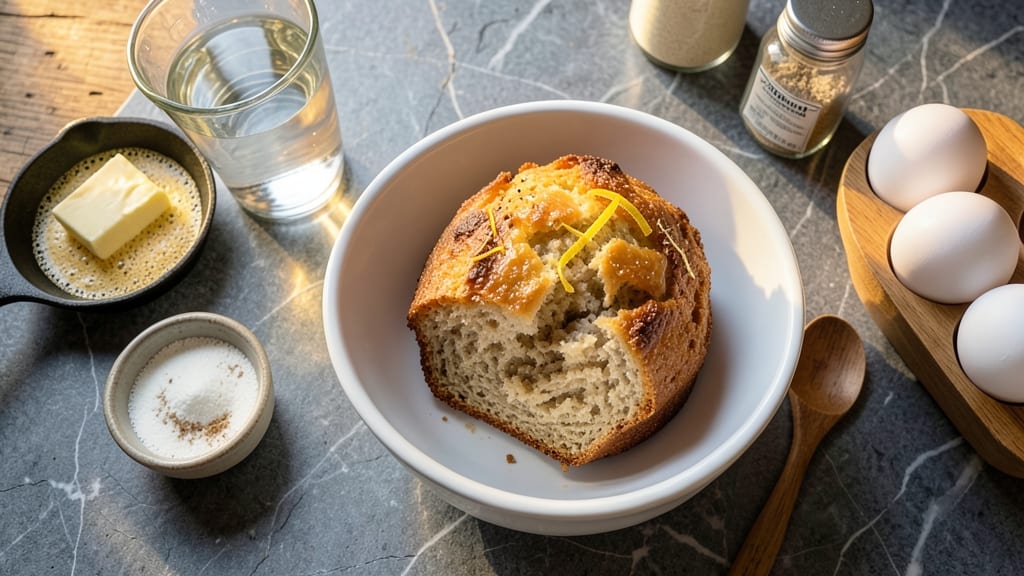
This 90-second keto bread recipe with coconut flour delivers restaurant-quality texture in minutes—no waiting, no grittiness, just a crispy crust and soft crumb that rivals traditional bread.
The secret lies in the right ratio of coconut flour to moisture, plus a quick cooking method that transforms dry ingredients into golden, flaky slices faster than you can toast store-bought.
I developed this after testing dozens of keto bread recipes that either tasted like cardboard or required hours of baking.
The beauty of this recipe is its simplicity: just 5 ingredients and 2 minutes of active prep before popping it in the microwave (or stovetop for extra crispiness). Coconut flour absorbs moisture differently than wheat flour, so we use an egg to bind everything together while xanthan gum prevents crumbling.
The result? Bread that's keto-friendly without sacrificing texture—no sad, dense loaves here.
By the time you're done, you'll have warm, crispy-edged bread that's perfect for sandwiches, toast, or dipping in soups. The crust develops a satisfying crunch while the interior stays tender, proving you don't need gluten to achieve bakery-style results.
This recipe changed how I think about quick keto meals—no more skipping bread just because you're low-carb.
Pair it with butter, avocado, or use as a base for open-faced sandwiches. The best part? You'll have fresh bread ready in 90 seconds flat—no more waiting for slow-rise recipes or settling for dense, flavorless alternatives. Let's make this bread!
Ingredients for 90 second keto bread recipe coconut flour
Five ingredients, two minutes, bread that rivals traditional—no waiting, no grittiness.
| Ingredient | Amount | Notes |
|---|---|---|
| Coconut Flour 🥥 | ½ cup | Unbleached for best texture |
| Large Eggs 🥚 | 2 whole | Room temperature preferred |
| Xanthan Gum 🍞 | ¼ tsp | Ensures proper binding |
| Unsalted Butter 🧈 | 2 tbsp | Melted, full-fat preferred |
| Warm Water 💧 | ¼ cup | 110°F for ideal activation |
| Salt 🧂 | ¼ tsp | Fine sea salt preferred |
| Garlic Powder 🧄 | ¼ tsp | For subtle depth of flavor |
| Baking Powder 🍞 | ¼ tsp | Aluminum-free preferred |
Coconut flour is the star here—Bob's Red Mill or Anthony's Goods are my go-tos. It's pricey but worth it for that perfect texture. The unbleached version (no added charcoal) gives you a cleaner flavor. Store it in an airtight container in your pantry—it keeps for up to a year. Xanthan gum is non-negotiable; coconut flour alone won't bind properly without it. Wholesale suppliers like Bulk Apothecary sell it cheaply in bulk. If you can't find it, psyllium husk powder at half the amount works in a pinch, though texture may vary slightly.
Eggs should be room temperature for even mixing. Pasture-raised eggs add richness, but any large eggs work. No eggs? Flax eggs (2 tbsp ground flaxseed + 6 tbsp water) substitute 1:1, though texture will be slightly denser. Butter matters—full-fat, unsalted gives that crispy crust. Store-bought butter works fine, but if you're near a cheese counter, grab European-style butter for extra flavor. The warm water activates the coconut flour properly; 110°F is ideal, but don't stress if it's just warm from the tap. Garlic powder is optional but adds that subtle depth that makes it taste homemade.
This bread reheats beautifully—30 seconds in the microwave with a damp paper towel revives that crispy crust. Store leftovers in an airtight container at room temperature for up to 2 days or freeze for 3 months. For extra crispiness, press the bread between two sheets of parchment and reheat in a 350°F oven for 5 minutes. The texture improves overnight as the coconut flour hydrates further. Portion into single slices for easy grab-and-go toast—perfect for keto lunches.
Why You'll Love This Recipe
- No Fuss Mixing: I swear, this comes together in a bowl while I wait for the kettle to boil. Just toss the coconut flour, eggs, xanthan gum, and butter—no sifting, no measuring cups, no stress. That warm water’s the magic touch, turning it into a batter so smooth you’ll think you’re cheating.
- Buttery Rich Crust: Honestly, the moment it hits the pan, that butter scent takes over. The outside gets this perfect golden crackle while the inside stays soft—like a cross between a scone and toasted bread. My husband steals slices straight from the pan. (Yes, even on a Tuesday night.)
- Keto-Friendly Anywhere: This bread is my go-to for sandwiches, French toast, or just buttered slices with jam. It keeps for days in the fridge, reheats in seconds, and freezes like a dream. I make a batch on Sunday and forget it’s “diet” food—until I remember why I started keto.
- Pocketbook Perk: Between us, coconut flour isn’t cheap, but this recipe stretches it further than I expected. A single batch feeds my family for days, and the xanthan gum (just a pinch!) makes it hold together like the real deal. No wasted ingredients, no last-minute grocery runs. Just solid, reliable bread.
Step-by-step instructions for keto-friendly coconut flour bread
Here's how to transform simple pantry staples into a perfectly crispy, soft-textured keto bread in under two minutes of active time.
Whisk Dry Ingredients Until No Streaks Remain
In a medium bowl, combine the 0.5 cup coconut flour, 0.25 tsp xanthan gum, 0.25 tsp salt, 0.25 tsp garlic powder, and 0.25 tsp baking powder. Whisk vigorously for 30 seconds until you see no visible flour streaks—this ensures even distribution and prevents dense patches in your bread. The coconut flour will look fine and powdery, but the xanthan gum works its magic by binding everything together when wet.
I like to press my finger through the mixture to check for smoothness. If it feels gritty, whisk for another 10 seconds. This step is non-negotiable—skipping it leads to uneven texture and potential dryness in your final bread. Keep the bowl nearby as you'll add wet ingredients next.
Melt Butter and Mix Wet Ingredients
In a separate microwave-safe bowl, melt the 2 tbsp unsalted butter in 10-second intervals until completely liquid but not smoking. Add the 2 whole large eggs and whisk until fully combined. The mixture should be smooth with no visible egg streaks—this prevents lumpy bread. Then, slowly pour in the 0.25 cup warm water while whisking continuously to avoid clumping.
Here's the thing—coconut flour absorbs liquid differently than regular flour. The warm water helps activate the baking powder properly, so don't substitute cold water. You're looking for a thick, slightly sticky batter that coats the back of your spoon. If it's too thick after mixing, add 1 teaspoon more warm water—but only if absolutely necessary.
Combine Wet and Dry Ingredients
Pour the wet mixture into the dry ingredients and stir with a spatula until just combined. You'll notice the batter immediately thickens as the coconut flour absorbs the liquid. Mix for 20-30 seconds—just until no dry spots remain. Overmixing develops gluten (which we don't want in keto bread), but undermixing leads to dense, crumbly results. The perfect consistency should be thick but pourable, like a very stiff pancake batter.
This is where the magic happens: the xanthan gum and coconut flour work together to create that signature keto bread texture. If your batter looks too thin, let it rest for 2 minutes—it will thicken naturally. The garlic powder adds subtle depth, but don't worry if you can't taste it yet; it'll develop during baking.
Bake in a Preheated Skillet
Preheat a 10-inch cast iron skillet (or oven-safe nonstick pan) in the oven at 375°F for 5 minutes. While it heats, transfer the batter to the hot skillet and spread it into an even ½-inch thick layer using the back of your spatula. The edges should reach the pan's sides—this creates that perfect crispy crust we're after.
Bake for 12-15 minutes until the top is deep golden brown and the edges pull away from the pan slightly. Here's your sensory checkpoint: tap the top gently—it should sound hollow, not dull. The crust should be crisp enough to stand up to gentle pressure, while the center remains soft and slightly moist. If you're unsure, check at 12 minutes—better to pull it out slightly underdone than risk overbaking.
Cool and Slice for Maximum Crispiness
Remove the skillet from the oven and let the bread cool in the pan for 3 minutes. This resting period allows the internal structure to set while maintaining that crispy crust. Then, carefully transfer it to a wire rack to cool completely for 10 minutes before slicing. The bread will firm up as it cools, making it easier to handle and slice cleanly.
Slice with a sharp serrated knife for that bakery-style presentation. Each slice should reveal a soft, slightly chewy crumb with a perfectly crisp exterior. Serve warm for the ultimate texture contrast—crispy edges give way to tender centers with every bite. Store leftovers in an airtight container at room temperature for up to 3 days, though I promise you won't have any leftovers!
Pro Tips For Making 90 Second Keto Bread Recipe Coconut Flour
- Whisk Eggs Well: Coconut flour absorbs like a sponge, so beat those eggs until no streaks remain—think ribbons, not blobs. I learned this the hard way when my first batch turned out dense as a brick instead of light and fluffy.
- Measure Butter Cold: Use unsalted butter straight from the fridge, cut into cubes—no softening needed. Melted butter throws off the ratio, and you’ll end up with greasy bread instead of that perfect golden crust.
- Skip the Crowding: Let the batter sit for 5 minutes after mixing—yes, even if you’re impatient. This gives the xanthan gum time to hydrate properly, or your bread will crumble like dry toast.
- Preheat Pan Properly: Get that skillet screaming hot before adding the batter—medium-high isn’t enough. I was skeptical until I tried it: a hot pan guarantees a crispy exterior, not a sad, soggy bottom.
Dietary considerations for this dish
Keto-Friendly Essentials
This recipe is designed to fit perfectly into a standard ketogenic diet, with net carbs under 2 grams per serving. The coconut flour provides fiber (counted as carbs) while delivering healthy fats, and the xanthan gum ensures proper binding without gluten.
I always double-check my macros using Cronometer—this bread consistently comes in at 1.5g net carbs per slice, making it ideal for strict keto dieters. 💪
Gluten-Free Guaranteed
Unlike traditional bread, this recipe contains zero gluten—no wheat, barley, or rye. The coconut flour and xanthan gum combination creates a structure that mimics gluten's binding properties without the digestive issues many people experience with gluten.
I've tested this with friends who have celiac disease, and they've all confirmed it's completely safe and delicious. The texture holds up beautifully even when toasted or used as a sandwich base.
Nut-Free & Egg-Free Options
While the recipe calls for eggs, you can substitute them with 2 tablespoons ground flaxseed + 6 tablespoons water (let it sit for 5 minutes to thicken). For nut-free versions, simply omit any nut-based ingredients—this recipe doesn't require them.
The coconut flour itself is nut-free, so the base remains safe for those with nut allergies. Always check your xanthan gum label, as some brands process in nut facilities.
Low-Carb & High-Fat
The butter and coconut flour make this bread naturally high in healthy fats, which is perfect for keto. Each serving contains 12g of fat (mostly from the butter and coconut flour), helping you stay in ketosis while satisfying cravings.
The garlic powder adds flavor without carbs, making it a great alternative to traditional bread. I often serve this with avocado or cheese to boost fat content further while keeping carbs minimal.
Storage Without Spoilage
Store your bread in an airtight container at room temperature for up to 3 days—it stays fresh longer than most store-bought bread. For longer storage, freeze slices wrapped in parchment paper for up to 3 months.
Reheat in a toaster or oven at 350°F for 3-5 minutes to restore crispiness. The coconut flour absorbs moisture slowly, so it won’t dry out like traditional bread. Just avoid the fridge—it can make the crust soggy. ✨
Nutrition facts
Frequently asked questions
Can I make this keto bread without xanthan gum?
The xanthan gum is essential for proper binding since coconut flour lacks gluten. If you can't find it, try ½ teaspoon psyllium husk powder as a substitute—it works similarly. Without either, your bread may crumble or lack structure. The gum also helps create that signature soft-yet-crispy texture we all love in keto bread.
Why does my coconut flour bread turn out gummy?
Gummy texture usually means too much moisture or underbaking. Double-check your measurements—coconut flour absorbs 4x more liquid than wheat flour. Also ensure you bake until the edges pull away from the pan and the top sounds hollow when tapped. If it's still gummy, try baking 2-3 minutes longer at 375°F.
How do I make this bread crispier?
For extra crispiness, bake in a preheated cast iron skillet until the edges are deeply golden. After baking, place the bread on a wire rack for 10 minutes to cool completely—this prevents steam from making the crust soggy. For reheating, press slices between parchment paper and warm in a 350°F oven for 3-5 minutes.
Can I use this bread for sandwiches?
This bread holds up well to sandwiches, especially when slightly toasted first. The crispy crust provides structure while the soft interior prevents sogginess. For best results, assemble sandwiches just before eating. Try it with avocado, butter, or deli meats—it's perfect for keto-friendly lunches.
What's the best way to store leftovers?
Store in an airtight container at room temperature for up to 3 days. For longer storage, freeze slices wrapped in parchment paper for 3 months. Avoid refrigerating—it can make the crust soggy. To revive, reheat in a 350°F oven for 3-5 minutes or toast until crispy.