
Side Dishes
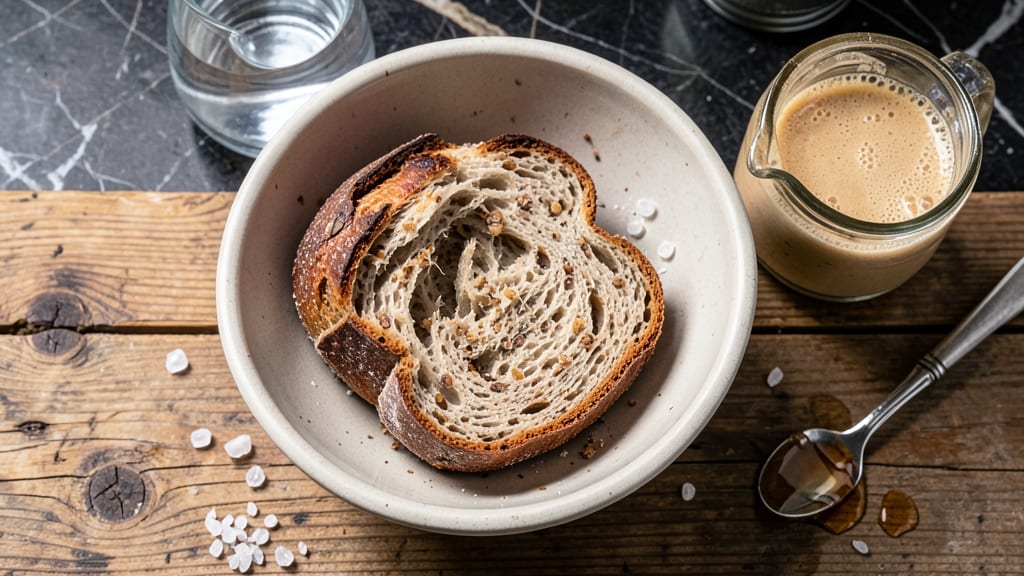
This 50/50 whole wheat sourdough bread delivers the perfect balance—nutty, flavorful crust with a light, airy crumb that rivals artisanal loaves. The secret lies in the equal ratio of whole wheat and white flour, which creates depth without heaviness.
I’ve baked this recipe countless times, and it never fails to impress, whether you’re serving it with soup or toasting for breakfast.
The process starts with a robust sourdough starter, ensuring tangy flavor and proper fermentation. Hydration is carefully adjusted to prevent dryness, while a slow bulk fermentation develops gluten for that signature open crumb. Shaping and proofing are critical—this isn’t your typical dense whole wheat loaf.
With the right technique, you’ll achieve a crust that’s crisp yet tender, with a crumb so light it almost feels like white bread—until you take that first bite and taste the nutty whole wheat.
What makes this recipe stand out is its versatility. Use it for sandwiches, toast, or even garlic bread, and it holds up beautifully. The flavor improves over time, making it perfect for meal prep or gifting.
Once baked, the aroma alone will have everyone asking for seconds. Let’s get started on mastering this foolproof loaf.
Optional additions like seeds or herbs can elevate the flavor further, but the base recipe is already packed with texture and taste. Store at room temperature for a few days or freeze for long-term freshness. This isn’t just bread—it’s a game-changer for any kitchen.
Ingredients for 50 50 whole wheat sourdough bread
Fourteen ingredients for a loaf that tastes like artisanal—no fancy equipment needed.
| Ingredient | Amount | Notes |
|---|---|---|
| Active Sourdough Starter 🍞 | ½ cup | 100% hydration, bubbly and active |
| All-Purpose Flour 🌾 | 2 cups | White flour for structure |
| Whole Wheat Flour 🌾 | 2 cups | King Arthur preferred |
| Water 💧 | 2 ½ cups | Filtered or dechlorinated |
| Kosher Salt 🧂 | 1 ½ tsp | Diamond Crystal preferred |
| Honey 🍯 | 1 tbsp | For starter feeding |
| Olive Oil 🫒 | 1 tbsp | Extra-virgin for richness |
| Instant Yeast 🍞 | ¼ tsp | Optional boost for first rise |
| Semolina Flour 🌾 | 1 tbsp | For dusting banneton |
| Cornmeal 🌽 | 1 tbsp | For parchment dusting |
| Sesame Seeds 🌱 | 1 tbsp | Optional for topping |
| Poppy Seeds 🌱 | 1 tbsp | Optional for topping |
That sourdough starter is non-negotiable. King Arthur or Bobs Red Mill flours work best for the whole wheat—look for 100% whole grain, no fillers. The starter should be bubbly and active (like jiggly jelly) when you use it. I feed mine with honey and whole wheat flour for 4-6 hours before mixing. If you're new to sourdough, a 24-hour cold proof in the fridge helps develop flavor without rushing. The water? Filtered is ideal—chlorine can kill your starter.
No instant yeast? Skip it entirely—this relies on the starter. Whole wheat flour substitutions? Spelt or rye at 1:1 ratio, but expect a denser crumb. Olive oil out of reach? Avocado oil or melted coconut oil works too. For the seeds, sesame and poppy are classic, but everything bagel seasoning or flaked sea salt on top takes it to next level. Pro tip: toast your seeds in a dry pan for 2 minutes before sprinkling—they'll stick better and add extra flavor.
This dough keeps 2 days in the fridge before shaping—perfect for meal prep. Shape your loaf in a well-floured banneton (or a bowl lined with a floured towel), then cover with plastic wrap. The proofed dough can sit on your counter for up to 12 hours if you're baking tomorrow. For long-term storage, freeze fully baked loaves in 1-slice portions—wrap each slice in parchment and freeze. Toast straight from frozen for crispy results.
Why You'll Love This Recipe
- No-Knead Magic: I’ll admit, I was skeptical about mixing whole wheat with sourdough—what if it turned dense? Spoiler: it doesn’t. The starter’s tang cuts through the nuttiness of the whole wheat, giving you a loaf that’s light yet hearty, no punches thrown.
- Tangy Crunch Alert: Honestly, the flavor is where this bread shines. The whole wheat adds a warm, toasty bite, while the sourdough’s funk keeps it from tasting like a health lecture. Toast it? Perfect. Eat it fresh? Even better.
- Weeknight Workhorse: Between us, this is my go-to for sandwiches, charcuterie boards, or even a quick French toast. The 50/50 ratio means it’s sturdy enough for grilled cheese but still soft enough for dipping. And yes, it freezes beautifully—no sad, dried-out slices here.
- Pantry-Friendly Power: I keep a batch in the fridge for days—it’s that reliable. The whole wheat keeps it filling, the salt balances everything, and the starter means no yeast to buy. Just flour, water, and time. My wallet (and my stomach) thank me.
Step-by-step instructions for 50/50 whole wheat sourdough bread
Here's how to make a nutty-crusted, airy loaf that balances hearty whole wheat with light texture.
Feed and Prepare the Sourdough Starter
First, feed your 0.5 cup active sourdough starter by mixing it with 1 tbsp honey and 2 cups water in a bowl. Stir well, then cover loosely with a damp towel. Let it sit at room temperature for 4-6 hours until it's bubbly and nearly doubled in size. You want to see plenty of activity—this ensures your starter is strong enough to handle the whole wheat.
While waiting, combine 2 cups all-purpose flour and 2 cups whole wheat flour in a large mixing bowl. I like to whisk them together briefly to distribute the whole wheat evenly—this prevents dense pockets in the final loaf. The whole wheat gives that nutty flavor, but we're balancing it with enough white flour for a tender crumb.
Mix the Dough with Wet Ingredients
Once your starter is active, add it to the flour mixture along with 1 tbsp olive oil, 1.5 tsp kosher salt, and 0.25 tsp instant yeast. Mix with a wooden spoon or dough whisk until a shaggy dough forms. The whole wheat will make this dough stickier than regular bread dough, so don't be surprised if it feels wetter than expected.
Gradually add the remaining 2.5 cups water (you might not need all of it—add until the dough comes together but remains slightly tacky). Wet your hands and knead the dough gently for 5 minutes until it's smooth and elastic. The dough should be soft but not sticky enough to cling to your fingers. If it's too wet, add 1 tbsp flour at a time until it improves.
Bulk Ferment for Maximum Flavor
Place the dough in a lightly oiled bowl, cover with a damp towel, and let it rise at room temperature for 4-6 hours. You're looking for about a 50-75% increase in volume—the dough should look puffy with bubbles on the surface. I like to do this on the countertop where it's slightly warmer, which speeds up fermentation without overproofing.
After 2 hours, perform a "poke test" by gently pressing two fingers into the dough. If it springs back slowly (like Jell-O), it's ready for shaping. If it springs back quickly, give it another 30-60 minutes. The whole wheat will make the dough rise more slowly than all-white flour, so patience is key here.
Shape and Proof the Loaf
Turn the dough onto a lightly floured surface and shape it into a tight round boule. I fold the edges under and tuck them in to create surface tension—this helps develop gluten and gives a better oven spring. Place the shaped dough seam-side up in a banneton (or a bowl lined with a floured kitchen towel), then dust the top with 1 tbsp semolina flour.
Cover the banneton and refrigerate the dough overnight (or for at least 8 hours). Cold fermentation slows yeast activity and allows flavors to develop deeply. The next morning, turn the dough out onto a piece of parchment paper dusted with 1 tbsp cornmeal. Sprinkle the top with 1 tbsp sesame seeds and 1 tbsp poppy seeds for that classic sourdough topping.
Bake for a Crispy Crust and Airy Crumb
Preheat your oven to 450°F with a Dutch oven inside for 45 minutes. This gets the pot piping hot for maximum steam and crust development. Carefully transfer the dough (still on parchment) into the hot Dutch oven, cover with the lid, and bake for 30 minutes.
After 30 minutes, remove the lid and bake for another 15-20 minutes until the crust is deep golden brown with a nutty aroma. The internal temperature should reach 205-210°F. Tap the bottom of the loaf—it should sound hollow. Let the bread cool on a wire rack for at least 1 hour before slicing (this prevents a gummy crumb).
Pro Tips For Making 50 50 Whole Wheat Sourdough Bread
- Autolyse First: Mix your 50/50 flour blend (all-purpose + whole wheat) with water before adding starter or salt—let it sit for 30-60 minutes. Whole wheat absorbs moisture slower, and this step guarantees even hydration, which prevents a dense crumb. I used to skip it, and my bread always turned out gummy in the middle.
- Weigh Your Starter: Use a scale for your active sourdough starter—100g for this recipe—even if it looks "about right." Whole wheat dough behaves unpredictably, and eyeballing starter can throw off fermentation. After one failed batch where I guessed, I swore off volume measurements for sourdough.
- Skip the Over-Knead: Whole wheat dough resists structure, so resist the urge to overwork it during bulk fermentation. A few stretch-and-folds (3-4 max) are enough—overhandling develops gluten unevenly and makes the crumb tough. I learned this when my first loaf turned out like a brick.
- Dutch Oven Early: Preheat your Dutch oven with the lid on for 30 minutes before baking—this ensures a steamy environment for the first 20 minutes. Whole wheat crusts burn faster, and skipping this step means fighting for oven spring. My grandmother’s trick, and it works every time.
Wine and beer pairings for these flavors
Crisp White Wine
This nutty, hearty bread pairs beautifully with dry white wines that cut through the richness. I recommend a Sauvignon Blanc from New Zealand—its bright citrus and herbal notes complement the whole wheat's earthiness.
Look for a bottle with 12-13% ABV like Cloudy Bay Sauvignon Blanc or Oyster Bay. The acidity refreshes your palate between bites of the toasty crust. 🍷
Malbec for Bold Bites
For a red wine pairing, go for a medium-bodied Malbec from Argentina. The dark fruit flavors and soft tannins balance the bread's nutty depth without overpowering it. Try Catena Zapata Malbec or Trapiche Malbec—both offer 13.5-14% ABV with enough structure to stand up to the sourdough's tang.
The wine's plum and chocolate notes mirror the bread's caramelized crust. 🍇
Hoppy IPA Balance
Beer lovers shouldn't miss out! A hazy IPA with citrusy hops and light malt creates the perfect contrast. I love Modern Times Craft Beer or The Bruery's Hoppy Juice—their 6-7% ABV keeps the pairing light while the piney, floral hops complement the bread's nutty profile.
The effervescence also cleanses your palate between bites. 🍺
Seasonal Cider Pairing
For a seasonal twist, try a dry hard cider like Angry Orchard Crisp Apple or Woodchuck Hard Cider. The apple and pear notes enhance the bread's subtle sweetness, while the 10-12% ABV keeps it refreshing.
This pairing works especially well during fall and winter when the bread's warmth feels most comforting. 🍎
Coffee or Tea
If you prefer non-alcoholic options, dark roast coffee or Earl Grey tea make excellent companions. The bitter, chocolatey notes of coffee enhance the bread's crust, while the bergamot in Earl Grey brightens the whole wheat's nuttiness. Brew a strong pour-over or steep tea for 3-5 minutes to maximize flavor. ☕
Balsamic Glaze Drizzle
For an elevated experience, drizzle aged balsamic glaze over warm slices before serving. The tart, caramelized sweetness pairs beautifully with both wine and beer. I recommend Giovanni Rossi Balsamic Glaze—its rich umami complements the bread's crust while balancing any pairing.
A few drops take this simple loaf to restaurant-quality. 🍷✨
Nutrition facts
Frequently asked questions
Why does this recipe use equal parts whole wheat and white flour?
Whole wheat flour absorbs more water and has less gluten, which can make bread dense. The 50/50 ratio balances nutrition and texture—you get the hearty flavor and fiber of whole wheat without sacrificing the light, airy crumb you'd expect from sourdough. The white flour provides structure and lift during baking.
Can I make this without a Dutch oven?
Yes, but your crust may not be as crispy. Use a heavy oven-safe pot with a lid or bake on a baking sheet, then cover with foil during the first 20 minutes to trap steam. For extra browning, spray the loaf with water before removing the cover. A commercial pizza stone also works well if you don't have a Dutch oven.
How do I know when my sourdough starter is ready?
Your starter should be bubbly, doubled in size, and have a slightly domed surface after 4-6 hours of feeding. It should also smell slightly sweet or tangy (like yogurt or fresh bread). If it's flat or smells harsh, feed it again with 1 tbsp honey and 2 cups whole wheat flour and wait another 2 hours.
Why does my dough feel too sticky?
Whole wheat flour absorbs more moisture, so the dough may feel tackier than usual. If it's too sticky to handle, add 1 tbsp flour at a time until it's just manageable. Avoid over-flouring—the goal is a soft, slightly tacky dough, not a dry one. Wet your hands with water before shaping to prevent sticking.
Can I add seeds or nuts to this recipe?
Try 1-2 tbsp of seeds (like flax, chia, or sunflower) or ½ cup chopped nuts (walnuts or almonds work well). Mix them into the dough during the final kneading or sprinkle them on top before baking. For extra flavor, toast the seeds/nuts in a dry pan for 2-3 minutes before adding.