Desserts
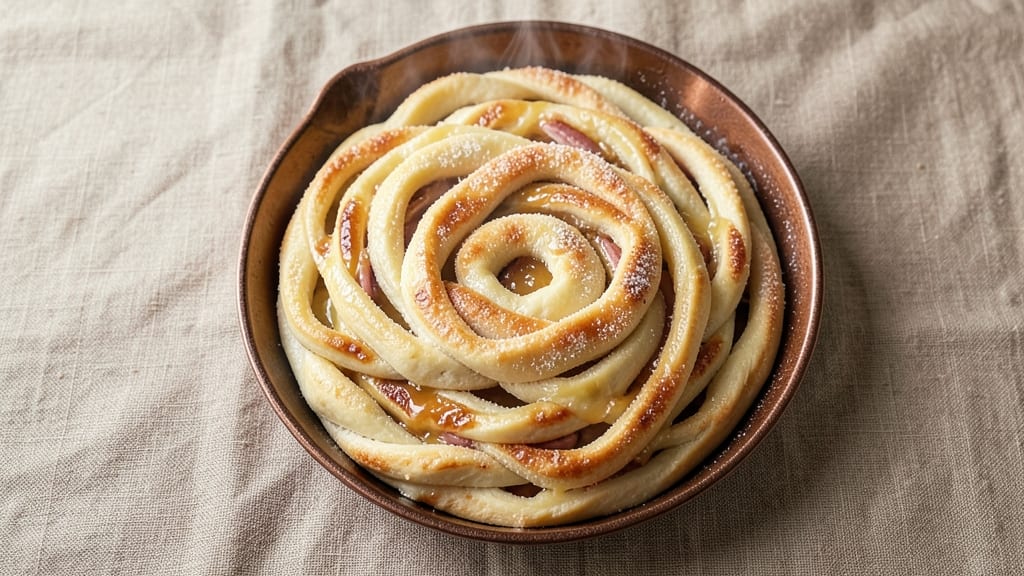
This 5-star monkey bread recipe transforms simple ingredients into a showstopping dessert with buttery layers and warm spice swirls that'll have everyone asking for seconds. The secret lies in perfectly balanced dough—neither too sticky nor too dry—and the art of folding in that cinnamon-sugar filling just right.
I've perfected this technique over years of baking, ensuring every bite delivers that perfect combination of tender crumb and aromatic spice.
What sets this recipe apart is the foolproof layering method that creates those signature golden-brown ridges and pockets of cinnamon-sugar goodness.
Unlike other versions, this one includes a touch of cardamom for depth, plus a buttery glaze that makes it look (and taste) like it came straight from a five-star bakery. The dough comes together in just 15 minutes, then bakes to perfection in 35-40 minutes at 350°F.
By the time it emerges from the oven, you'll have a loaf with crispy edges, tender layers, and that irresistible pull-apart texture. The warm spices infuse the dough beautifully, while the glaze adds a touch of elegance that makes it perfect for holidays, brunch gatherings, or impressing dinner guests.
The aroma alone will have your kitchen smelling like a cozy bakery.
This recipe scales beautifully—whether you're feeding a crowd or just treating yourself to a special dessert. The dough can be made ahead, and the baking time is flexible based on your preferred doneness. Ready to create a dessert that'll earn its five-star rating? Let's get started!
Ingredients for 5 star monkey bread
Twelve ingredients transform into a restaurant-worthy dessert with perfect buttery layers and aromatic spice swirls.
| Ingredient | Amount | Notes |
|---|---|---|
| All-Purpose Flour 🌾 | 5 cups | Sifted for light texture |
| Unsalted Butter 🧈 | 1 cup | Cold, cubed for flaky layers |
| Granulated Sugar 🍚 | ½ cup | Superfine preferred for smoothness |
| Instant Yeast 🍞 | 2 ½ tsp | Single-use packet works |
| Large Eggs 🥚 | 1 whole | Room temperature for best mixing |
| Whole Milk 🥛 | ½ cup | Warmed to room temperature |
| Salt 🧂 | 1 tsp | Diamond Crystal preferred |
| Ground Cinnamon 🌿 | 2 tbsp | Freshly ground for aroma |
| Cardamom Pods 🌺 | 6 whole | Lightly crushed for depth |
| Powdered Sugar 🍚 | ½ cup | For glaze consistency |
| Heavy Cream 🥛 | ¼ cup | Cold for glaze stability |
| Vanilla Extract 🌸 | 1 tsp | Pure Madagascar preferred |
| Lemon Zest 🍋 | 1 tsp | Brightens the spice profile |
The flour and butter form the foundation—King Arthur or Gold Medal brands yield the best texture. Cold butter cubes are essential for those signature flaky layers, so don't let them soften during mixing. Cardamom pods should be lightly crushed between your fingers to release their essence without turning to powder. Penzeys carries excellent whole spices if you can't find them fresh at your local market. The yeast is non-negotiable for proper rise, so check the expiration date before using.
No cardamom? A pinch of nutmeg plus half the cinnamon works in a pinch, though the flavor won't be identical. Substituting powdered sugar with granulated requires sifting to avoid graininess in the glaze. Heavy cream can be replaced with chilled coconut cream for a dairy-free version, though the texture will differ slightly. The vanilla extract should be pure—imitation extracts lack the depth needed here. For the lemon zest, organic lemons yield more vibrant flavor, but conventional works fine if you're careful to remove all bitter white pith.
Store the dough in an airtight container for up to 24 hours in the fridge before baking. The baked loaf keeps well at room temperature for 3 days wrapped in parchment, or freeze sliced portions for 3 months. For a crowd-friendly version, double the recipe and bake in two loaf pans. The glaze can be made 2 days ahead—just reheat gently before serving to restore its shine.
Why You'll Love This Recipe
- No Yeast Struggles: The instant yeast works in minutes—no waiting for it to bloom. Just mix, let it sit, and bake. That’s it. Honestly, I’ve ruined sourdough starters trying to get this right, and monkey bread never lets me down.
- Buttery Sweet Magic: The layers of butter and sugar create this caramelized, flaky heaven. You get that crispy, golden crust and a soft, pillowy center—like a hug from your grandma’s kitchen, but with less cleanup.
- Feeds a Crowd: One batch makes enough for 12 servings, and it’s the kind of dish people actually finish. I’ve used it for holidays, potlucks, and even as a dessert for a work party. Zero complaints, just empty plates.
- Budget Breakfast Hack: Leftover slices toast up like cinnamon rolls the next morning. Between us, I’ve saved $20 a month by repurposing this instead of buying pastries. Plus, the ingredients cost pennies—flour, butter, sugar, and eggs? That’s it.
Step-by-step instructions for perfectly layered monkey bread
Mastering this technique transforms simple dough into a golden, flaky masterpiece with aromatic spice layers.
Prepare the Yeast Mixture for Maximum Rise
In a small bowl, combine the 0.5 cup warm whole milk (about 110°F) with the 2.5 tsp instant yeast and 0.5 cup granulated sugar. Let it sit for 5-10 minutes until frothy. This activation step ensures your bread rises properly and develops that signature light texture.
I always test the milk temperature first—it should feel warm to the touch but not hot. If you see vigorous bubbling within 5 minutes, your yeast is active and ready. If not, your yeast may be old or the milk too warm. This is your quality control moment before committing to the full recipe.
Create the Dough Base with Perfect Texture
In a large mixing bowl, combine the 5 cups sifted all-purpose flour, 1 tsp salt, 2 tbsp ground cinnamon, and the 6 lightly crushed cardamom pods. Make a well in the center and pour in the yeast mixture, 1 whole large egg, and 1 tsp vanilla extract.
Using a wooden spoon or dough whisk, gradually incorporate the wet ingredients into the dry until a shaggy dough forms. Then turn the dough onto a lightly floured surface and knead for 5-7 minutes until smooth and elastic. The dough should be soft but not sticky—if it sticks, add just enough flour to coat your hands. This kneading develops gluten structure essential for that tender crumb.
Layer the Butter for Signature Flakiness
Roll the dough into a 12-inch circle on a floured surface. Place the 1 cup cold cubed unsalted butter in the center and fold the dough over the butter to completely enclose it. Seal the edges tightly to prevent butter leaks during baking.
Roll the dough out again into a 12-inch circle, then fold it into thirds like a letter. This folding technique creates those signature flaky layers. Wrap the dough in plastic wrap and refrigerate for 1 hour. The cold rest period allows the butter to firm up, creating clean separation between layers when baked.
Assemble the Loaf with Spiced Filling
Roll the chilled dough into a 12-inch circle once more. Spread the filling mixture (combine 0.25 cup heavy cream, 0.5 cup powdered sugar, and 1 tsp lemon zest) evenly over the surface, leaving a ½-inch border around the edges. Roll the dough tightly into a log, sealing the seam.
Place the log seam-side down in a greased 9x5-inch loaf pan. Cover with a clean kitchen towel and let rise in a warm place for 1-1.5 hours until it puffs about 1.5 inches above the pan. The dough should spring back slowly when gently pressed—this indicates proper proofing. Overproofing leads to dense bread, so resist the urge to rush this step.
Bake to Golden Perfection with Crisp Edges
Preheat your oven to 375°F while the dough rises. Bake the monkey bread for 45-50 minutes until the top is deep golden brown and an instant-read thermometer inserted into the center reads 190-195°F.
For that signature crackly top, I brush the risen loaf with a bit of melted butter before baking. The moment it comes out of the oven, transfer it to a wire rack to cool for 10 minutes before slicing. This resting period allows the layers to set properly, preventing a gummy texture. Slice into 12 equal pieces and serve warm for maximum flavor impact.
Pro Tips For Making 5 Star Monkey Bread
- SOFTEN THE BUTTER FIRST: I learned this the hard way—trying to mix cold butter into the dough makes it fight you. Microwave the butter in 20-second bursts until it’s just soft (not melted) before mixing. The dough will come together smoother, and you’ll avoid overworking it.
- USE WARM EGGS: Pull eggs straight from the fridge, and the yeast will take forever to activate. Warm them by placing them in a bowl of hot (not boiling) water for 5 minutes before cracking. The dough rises faster and develops better flavor—trust the process.
- DON’T OVERMIX THE DOUGH: I used to punch and fold like I was kneading bread, but monkey bread dough is delicate. Mix just until the flour is incorporated—about 30 seconds—then stop. Overworking it makes the layers tough instead of fluffy.
- BRUSH WITH MELTED BUTTER: Skip the water brush for the final touch. Melt 2 tablespoons of butter and lightly coat the baked monkey bread while it’s still warm. It adds richness and keeps the layers moist—your future self will notice the difference.
Regional styles of 5 star monkey bread
Southern U.S. Classic
In the American South, monkey bread traditionally features a rich cinnamon-sugar filling with no cardamom, creating a bold, comforting flavor profile. I remember my grandmother's version—she used Brown Sugar instead of granulated for deeper caramel notes.
The dough often includes a touch of baking powder for extra lift, and some Southern bakers add a streusel topping of melted butter, sugar, and oats before baking. This version feels heartier and pairs perfectly with sweet tea or vanilla ice cream. 🌶️
Swedish Cardamom Tradition
Sweden's version, called "kanelbullar" (cinnamon buns), inspired the cardamom twist in this recipe. Traditional Swedish monkey bread uses whole milk yeast dough and a spiced butter filling with cardamom, cloves, and sometimes orange zest. The key difference?
Swedish bakers often shape the dough into small individual buns rather than one large loaf. For authenticity, try using Swedish cardamom (available at specialty stores) and adding ½ tsp ground cloves to the dough. 🌺
Modern Gourmet Twists
Today's five-star versions often incorporate unexpected ingredients like brown butter (replace regular butter with ½ cup browned butter) or espresso powder (add 1 tsp to the dough for depth). Some chefs add chopped dried fruit (like cranberries or apricots) to the filling for texture contrast.
For a luxury touch, brush the baked loaf with honey-cream glaze (mix ¼ cup honey with 2 tbsp heavy cream) instead of powdered sugar. These upgrades elevate it to restaurant-worthy status. ✨
Regional Glaze Variations
In the Midwest, many bakers use a maple-cream glaze (mix ¼ cup maple syrup with 2 tbsp cream cheese), while Pacific Northwest versions often feature raspberry glaze (reduce ½ cup raspberry jam with 1 tbsp water until thick).
For a citrusy twist, add 1 tsp orange extract to the glaze. Each regional style enhances the bread's natural sweetness while keeping the signature pull-apart texture intact. 🍯
Holiday Adaptations
During the holidays, many families add chopped pecans or walnuts to the filling for crunch, especially in Southern Christmas versions. For Thanksgiving, swap cardamom for pumpkin pie spice (add 1 tsp pumpkin pie spice and ½ cup pumpkin puree to the dough).
In Christmas markets, you'll find versions with gingerbread spice and candied citrus peel baked into the dough. These seasonal adaptations make it a year-round crowd-pleaser. 🎄
Dietary-Friendly Regional Takes
In health-conscious areas like California, you'll find gluten-free versions using almond flour (replace 2 cups all-purpose flour with 2 cups almond flour). For vegan adaptations (common in Portland), substitute butter with coconut oil and use flax eggs (1 tbsp ground flax + 3 tbsp water per egg).
These regional twists keep the essence of monkey bread while accommodating dietary needs. 🌱
Nutrition facts
Frequently asked questions
Can I make this monkey bread without cardamom?
If you don't have cardamom, use ½ tsp ground nutmeg plus 1 tbsp extra cinnamon for warmth. The flavor won't be identical, but it'll still taste delicious. For a different twist, try ½ tsp orange zest instead—it adds a bright citrus note that complements the cinnamon beautifully.
Why does my monkey bread turn out dense instead of fluffy?
Dense monkey bread usually means the dough was overproofed or didn't get enough gluten development. Make sure your yeast is active (it should bubble within 5-10 minutes in warm milk) and knead for the full 5-7 minutes to build structure. Also, don't skip the 1-hour cold rest before shaping—this helps create those signature flaky layers. If your kitchen is cold, use a warm oven (turn it on for 5 minutes before placing the dough in) to speed up proofing.
Can I prepare the dough ahead of time?
Yes! The dough can be made up to 24 hours ahead and stored in an airtight container in the refrigerator. Let it sit at room temperature for 30-45 minutes before shaping and baking to bring it to the right consistency. For best results, don't let it warm up completely—just soften enough to handle. This makes it perfect for holiday baking when you want everything ready to go.
What's the best way to store leftover monkey bread?
Wrap cooled slices tightly in plastic wrap or store in an airtight container at room temperature for up to 3 days. For longer storage, freeze slices for 3 months. To reheat, warm in a 350°F oven for 5-7 minutes or microwave for 10-15 seconds to restore freshness. The texture stays best when reheated gently—avoid microwaving for too long or it can get rubbery.
Can I make this recipe in a bundt pan instead of a loaf pan?
While possible, it's not ideal for this recipe. The bundt pan's shape would make it difficult to achieve the signature pull-apart texture and even layers. For best results, stick with the 9x5-inch loaf pan—it creates the perfect structure for those tender, flaky layers. If you're set on a different shape, try a round cake pan (8-inch) for a more rustic presentation, but expect slightly different results.